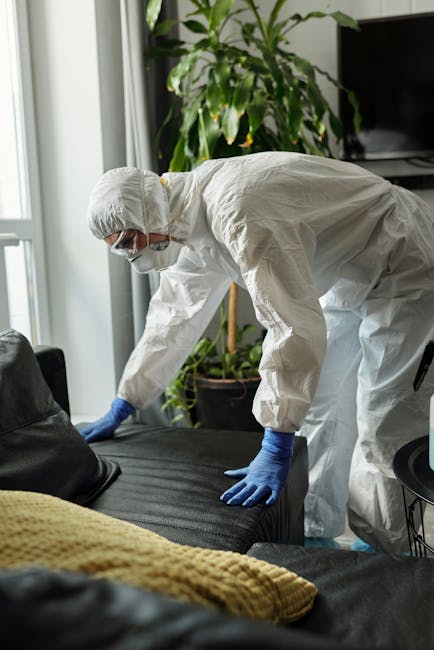
Sofa cleaning for Syon Park homes Brentford trained teams: a practical guide for better results
If your sofa has started to look a bit tired, hold onto smells, or pick up the usual mix of tea spills, pet hair, crumbs, and daily life, you are not alone. Sofa cleaning for Syon Park homes Brentford trained teams is about more than making upholstery look brighter for a day. It is about restoring comfort, protecting fabric, and keeping a busy home feeling fresh without taking unnecessary risks with delicate materials.
In Syon Park homes, where furniture is often part of a well-kept, lived-in interior rather than something you replace every few years, the right cleaning approach matters. A trained team understands fabrics, drying times, stain behaviour, and the difference between a quick surface refresh and a proper deep clean. That is the difference between a sofa that simply looks better and one that genuinely feels cleaner too.
This guide walks through how the process works, what trained teams actually do, when sofa cleaning makes sense, and the mistakes worth avoiding. I will also cover practical checks, comparison points, and a realistic example so you can make a calm, informed decision. No fluff. Just useful detail.
Why Sofa cleaning for Syon Park homes Brentford trained teams Matters
Sofas are one of those items that quietly take the brunt of family life. They collect dust, body oils, pollen, pet dander, and whatever else gets brought in on clothes and hands. In homes around Syon Park and wider Brentford, that can mean a perfectly nice sofa starts to look flat and a little dull before it is actually worn out. The fabric has not necessarily failed; it is just carrying the evidence of daily use.
That is why trained sofa cleaners matter. They do not treat every sofa like the same job. A velvet armrest, a woven family sofa, and a synthetic corner unit all need different products, water levels, and agitation methods. A careless clean can leave tide marks, shrinkage, colour bleed, or a damp smell that hangs around longer than anyone wants. Truth be told, that "fresh smell" people hope for can turn into a real issue if the drying is badly handled.
There is also a hygiene angle. Soft furnishings can hold on to allergens and odours even when they look clean from a distance. For households with children, guests, pets, or anyone sensitive to dust, a professional approach can make a noticeable difference to day-to-day comfort. You may not notice it instantly in the way a shiny surface looks, but you will notice it when the room feels lighter and less stale.
If you are already looking at broader home care, it can make sense to pair upholstery work with deep cleaning or other regular domestic cleaning to keep the whole home on a steady footing rather than playing catch-up every few months.
Expert summary: A proper sofa clean is not just about removing a stain. It is about matching the method to the fabric, protecting the structure, and leaving the sofa dry, fresh, and usable again without nasty surprises.
How Sofa cleaning for Syon Park homes Brentford trained teams Works
A good sofa cleaning visit usually starts with inspection. The cleaner checks the fabric type, condition, stains, stitching, cushion construction, and any care labels that are still readable. That first look matters more than people think. It tells the technician whether the sofa can take hot water extraction, low-moisture methods, spot treatment only, or a gentler hand-led process.
From there, the team will usually vacuum thoroughly to remove dust and loose debris. That sounds basic, but it is a crucial step. If loose grit is left in the fabric, it can turn into muddy residue once cleaning solution is applied. You really do not want that. A trained technician will also often pre-treat visible marks and high-traffic areas such as seat cushions, headrests, and arm rests, because those zones tend to hold the heaviest build-up.
The main clean then depends on the textile and the problem being tackled. Some sofas respond well to hot water extraction, which uses a controlled rinse-and-lift process. Others do better with a low-moisture or dry-cleaning style method, especially where water sensitivity is a concern. The aim is not to soak the furniture. The aim is to suspend dirt, pull it out, and manage drying properly afterwards.
After cleaning, the team may groom the fabric or brush the pile in a direction that helps the sofa dry evenly and look more consistent. Drying advice is part of the service too. Windows may be opened, heating adjusted carefully, or air circulation improved. And yes, the room may smell a little like fresh fabric and cleaning solution for a while. That is normal. What you want to avoid is a sofa that still feels damp the next morning.
Some households also ask for related upholstery items to be done at the same time, which is sensible if you are dealing with matching chairs, footstools, or a favourite armchair. In those cases, upholstery cleaning is the broader service category, while sofa cleaning focuses specifically on the main seating piece.
Key Benefits and Practical Advantages
The first benefit is obvious: a cleaner-looking sofa. But the real value goes beyond appearances. A properly cleaned sofa feels more comfortable to sit on, smells fresher, and often lasts longer because dirt and grime are not grinding into the fibres every day. That matters if you have invested in good furniture and do not want to replace it sooner than necessary.
Another practical advantage is stain management. Not every mark can be removed fully, and a good cleaner will be honest about that. Still, many everyday marks respond far better when treated correctly early on. Coffee, soft drinks, general body oils, and light food residues are often easier to manage than a home attempt followed by several rounds of rubbing and regret. Let's face it, that happens a lot.
There is also the comfort factor. A sofa can look clean but still hold on to a stale, lived-in smell. When that is lifted, the whole room changes a bit. It feels calmer. More cared for. In a home near Syon Park, where living spaces are often part of a polished but active household, that kind of improvement is worth having.
Here is a practical summary of what trained teams usually bring to the job:
- fabric-aware cleaning methods rather than a one-size-fits-all approach
- better stain identification and safer pre-treatment
- controlled moisture use to reduce fabric damage
- faster, more predictable drying
- clear guidance on aftercare and maintenance
- less risk of over-wetting, colour loss, or residue build-up
If you are weighing up value and service scope, it may help to compare options through pricing and quotes rather than deciding only on the cheapest number you see. The cheapest clean can become expensive if the sofa needs redoing.
Who This Is For and When It Makes Sense
Sofa cleaning makes sense for almost any home, but some situations call for it more urgently than others. Families with young children tend to hit the tipping point first, because sofas become snack zones, play zones, and nap zones all in one. Pet owners are another obvious group. Hair, dander, and the occasional accident can settle deep into fabric. You can vacuum the surface and still miss the problem underneath.
It is also a strong choice if you host guests often, work from home in the living room, or simply want your house to feel more finished. Sometimes the sofa is the thing that makes the entire room feel either cared for or a bit neglected. Small detail, big impact.
Homeowners and tenants may also look at sofa cleaning before special occasions, after illness in the house, after a long winter with less ventilation, or when moving out and wanting the furniture to present well. Even if you are not preparing for an inspection, there is a good case for periodic maintenance. A sofa should not have to wait until it looks visibly grubby before it gets attention.
If your home has broader cleaning needs too, you may want to combine upholstery work with one-off cleaning or a wider house cleaning visit, especially after a busy season or before family comes to stay.
Step-by-Step Guidance
Here is the kind of process a well-run team usually follows. It is not mysterious, and it should not feel rushed.
- Check the fabric and construction. The cleaner identifies the material and any visible wear, loose stitching, sagging cushions, or previous DIY treatment.
- Test the method in a hidden spot. A small test helps reduce the risk of colour transfer or texture changes. This is a sensible habit, not an optional extra.
- Vacuum thoroughly. Dust, crumbs, pet hair, and grit are removed from seams, folds, and under cushions.
- Pre-treat problem areas. Stains and traffic marks are treated carefully with the appropriate solution.
- Clean using the chosen method. This could be hot water extraction, low-moisture cleaning, or another fabric-safe method.
- Rinse or recover residues where needed. Residue left behind can attract dirt, so this stage matters more than people think.
- Speed up drying. Airflow and room conditions are managed so the sofa is not left wet for too long.
- Review the result and give aftercare advice. A good cleaner will tell you what improved, what remains, and how to maintain it.
One practical point: if the sofa has removable cushion covers, do not assume they can be washed like bed linen. Many cannot. Some can shrink, lose shape, or mark quite badly. Better to ask first than to discover the hard way, which is not fun on a Tuesday afternoon.
Expert Tips for Better Results
First tip: deal with spills quickly, but gently. Blot, do not scrub. Rubbing pushes liquid deeper and can distort the fabric pile. A clean white cloth is usually safer than a coloured towel, because you do not want dye transfer becoming the next problem.
Second, keep an eye on ventilation. Sofas dry best when the room can breathe a little. Open a window if the weather allows, and avoid piling blankets or cushions back on too soon. It sounds obvious, yet it is one of the most common reasons freshly cleaned upholstery starts to feel a bit musty again.
Third, ask about the cleaning chemistry being used. You do not need a lab report, but you do want to know whether the products are suitable for the fabric and safe for the home environment. That is especially relevant where children, pets, or sensitivities are part of the picture.
Fourth, match expectations to reality. Some marks are permanent, especially if they have been heat-set, bleached, or left for months. A trained cleaner can improve many issues, but no honest technician should promise miracle work on every stain. In our experience, the best results come from clear expectations and proper fabric care, not hype.
If you want a service provider that takes process and trust seriously, it is worth reviewing a company's about us and insurance and safety information before booking. That is not overcautious. It is sensible.
Common Mistakes to Avoid
One of the biggest mistakes is using too much water. More water does not mean more cleaning. On upholstery, it can mean slow drying, ringing, or fibre distortion. Another common error is attacking stains aggressively with whatever happens to be under the sink. Household sprays can leave residues or react badly with fabric dyes. A quick fix sometimes becomes a permanent mark. Lovely.
Another issue is ignoring the care label or not checking it properly. Some fabrics are fine with wet cleaning; others are not. Even when the label is missing, a trained team should still test carefully and choose a conservative route if needed. The safest answer is not always the strongest one.
People also make the mistake of putting cushions back too soon or using the sofa heavily before it is dry. That can flatten the finish, trap moisture, and slow the whole process down. If you have children, this is the moment when the sofa seems to become irresistible, naturally. Try to hold the line a little.
Finally, avoid choosing a cleaner only because they say they can do everything quickly. Speed matters, but not as much as method, inspection, and drying control. A rushed clean may look acceptable at first and then disappoint later.
Tools, Resources and Recommendations
For a household preparing for a sofa clean, the most useful things are often very simple. A vacuum with an upholstery attachment. Clean white cloths for blotting. A clear note of any recent spills or previous treatments. And access around the sofa so the team can work neatly, rather than shuffle furniture around obstacles like a minor obstacle course.
For service planning, useful related pages can help you decide whether a sofa clean should sit inside a wider clean-up. If the whole property needs attention, a cleaning company page can help frame the wider service picture, while home cleaners may be a better fit for regular domestic support. If the upholstery is part of a bigger refresh, pairing it with carpet cleaning can make the room feel properly reset.
Recommendations worth keeping in mind:
- book before the sofa becomes heavily soiled, not after years of build-up
- give the cleaner room to inspect hidden areas and seams
- remove loose items, throws, and cushions before the appointment
- tell the team about pets, previous stains, and any fabric repairs
- follow post-clean drying advice even if the sofa looks fine sooner
If your furniture has mixed materials or a more delicate finish, ask for guidance rather than guessing. A sensible answer beats a confident mistake every time.
Law, Compliance, Standards, or Best Practice
For homeowners, sofa cleaning is not usually a heavily regulated activity, but good practice still matters. A reputable team should handle products responsibly, work safely around electrical sockets and furnishings, and communicate any risks clearly. In the UK, consumers also have normal expectations around service fairness, transparency, and reasonable care. You do not need legal jargon to know when a service feels sloppy.
From a practical safety perspective, the important points are straightforward: cleaners should avoid creating slip hazards, should minimise over-wetting, and should use methods appropriate to the fabric. If a sofa is particularly valuable, antique, or delicate, the bar is even higher. In those cases, conservative methods and clear disclaimers are not a sign of weakness. They are a sign of competence.
It is also reasonable to look for businesses that publish clear service terms and explain how they handle privacy, payments, complaints, and general safety. That does not directly clean your sofa, of course, but it does tell you a lot about how the company works. For background, pages such as terms and conditions, payment and security, privacy policy, and complaints procedure are useful trust signals when you are deciding whom to invite into your home.
Options, Methods, or Comparison Table
There is no single "best" sofa cleaning method for every situation. The right choice depends on fabric type, soil level, drying time, and how sensitive the material is to moisture.
| Method | Best for | Strengths | Watch-outs |
|---|---|---|---|
| Hot water extraction | Durable fabrics and heavier soiling | Deep soil removal, strong refresh, good for general build-up | Can be unsuitable for delicate materials or slow-drying rooms |
| Low-moisture cleaning | Mixed-use sofas and quicker turnaround needs | Faster drying, lower water load, often safer for more fabrics | May need stronger pre-treatment on older stains |
| Dry or near-dry methods | Sensitive fabrics and cautious cleaning | Reduced moisture risk, helpful for delicate upholstery | May be less effective on deep embedded grime |
| Spot treatment only | Small localised stains | Targeted, less disruptive | Does not refresh the whole sofa or remove general soil |
The best technicians do not oversell one method. They match the sofa to the process. That is the bit that separates a trained team from a generic tidy-up crew.
Case Study or Real-World Example
Picture a family home near Syon Park on a wet weekday evening. The main sofa has two obvious marks on the centre seat, a faint food stain on one arm, and that slightly stale smell that settles into rooms after months of normal use with windows mostly shut. Nothing dramatic. Just enough to make the room feel less fresh than it should.
The cleaner arrives, checks the fabric, tests a small hidden area, and decides on a low-moisture method because the material is a little more sensitive than it first appears. The visible marks are pre-treated, the sofa is cleaned section by section, and the technician pays extra attention to the high-contact areas where hands and heads have worn the pile down a touch. No rush, no drama.
By the end, the sofa is visibly brighter, the smell has lifted, and the room feels less heavy. The family does not get a brand-new sofa, because that was never the point. What they get is a much better version of the one they already own. That is usually the sweet spot. Not perfect. Just properly looked after.
And, to be honest, that is what most people want when they book professional sofa cleaning in the first place.
Practical Checklist
Before the appointment:
- remove cushions, throws, and loose items
- vacuum lightly if possible, especially under and between cushions
- point out stains, odours, pet areas, or previous DIY treatment
- make sure the cleaner can access the sofa from both sides if needed
- move fragile items away from the work area
During the clean:
- ask which method is being used and why
- confirm how long drying is likely to take
- check whether any areas need special care
- keep pets and children away from wet upholstery
After the clean:
- follow the drying advice properly
- avoid placing throws back too early
- check whether the sofa feels evenly dry before heavy use
- ask what maintenance routine is best for the fabric
If you like clear planning, you can also review pricing and quotes alongside the service details so there are no awkward surprises later.
Get a free quote today and see how much you can save.
Conclusion
Sofa cleaning for Syon Park homes Brentford trained teams is really about care, judgement, and the right method for the job. The best results come from experience: understanding fabric, controlling moisture, treating stains patiently, and leaving the sofa fresh without damaging it. That is the kind of work that quietly improves everyday life.
If your sofa is starting to look a little tired, smell a bit closed-in, or just no longer matches the rest of the room, a professional clean can be one of the simplest ways to bring the space back to life. Not flashy. Just genuinely useful. And sometimes that is exactly what a home needs.
For readers who want to explore the service family around upholstery and home care, you may also find sofa cleaning, upholstery cleaning, and cleaners helpful next steps when comparing support options.
Clean furniture has a way of changing the mood of a room. Quietly, but properly.
Frequently Asked Questions
How often should a sofa be professionally cleaned?
For many homes, a professional clean once or twice a year is a sensible starting point, but high-use homes, pet households, or homes with allergies may need it more often. The right interval depends on how the sofa is used and how quickly dirt builds up.
Can all sofa fabrics be wet cleaned?
No. Some fabrics tolerate wet cleaning well, while others need low-moisture or dry methods. A trained cleaner should inspect the fabric first and choose the safest suitable process rather than assuming every sofa can take the same treatment.
Will sofa cleaning remove all stains?
Not always. Fresh marks often respond better than old or heat-set stains, and some dyes or spills can permanently alter the fabric. A good cleaner can usually improve appearance significantly, but honest advice matters more than impossible promises.
How long does a sofa take to dry after cleaning?
Drying time varies by method, fabric type, room temperature, and airflow. Some sofas dry within a few hours, while others take longer. Good ventilation and careful moisture control make a big difference.
Is sofa cleaning safe around pets and children?
It can be, provided the right products are used and the sofa is allowed to dry fully before use. If anyone in the house is sensitive to scents or cleaning agents, tell the team in advance so they can choose a suitable approach.
What should I do before the cleaner arrives?
Clear cushions and throws, make access easier, and point out any stains, odours, or previous attempts at spot cleaning. A few minutes of preparation can improve the result quite a lot, honestly.
Can a sofa cleaner help with pet odours?
Yes, often they can reduce pet odours significantly, especially when the smell is coming from fabric and cushion build-up rather than deep structural damage. If the odour is severe or long-standing, the cleaner should explain what improvement is realistic.
Is it worth cleaning an older sofa?
Often yes, if the frame and fabric are still in decent condition. A good clean can extend the useful life of an older sofa and make it feel far more pleasant to use. If the fabric is badly worn or fragile, a careful inspection is wise first.
What is the difference between sofa cleaning and upholstery cleaning?
Sofa cleaning is specific to sofas and similar seating, while upholstery cleaning is the broader service that covers chairs, footstools, and other fabric-covered items. The methods overlap, but the scope is broader in upholstery work.
How do I know if a cleaning company is trustworthy?
Look for clear service information, sensible explanations of methods, and practical details such as insurance, safety, terms, and complaints handling. A trustworthy company should sound calm and specific, not vague or pushy.
Should I choose the cheapest quote?
Not automatically. Cheap can be fine, but only if the method, insurance, and aftercare all stack up. A quote that is a little higher may include better inspection, safer products, or a more suitable drying process.
Can sofa cleaning be combined with other home cleaning services?
Yes, and that is often efficient. Many people combine it with carpet care, deep cleaning, or general domestic support so the room feels fully refreshed rather than only half-done.